Culturally Trauma-Informed Practice: Cultural Safety in Behaviour Support
24/7/2026
PDU: 6 Cultural Diversity
8:30am-3:30pm
Level: Beginner
About this Workshop
Behaviour analysts and behaviour support practitioners work at the intersection of behaviour, relationships, systems and lived experience. Across disability, education, health, justice and community settings, practitioners are increasingly working alongside Aboriginal individuals, families and communities. While behaviour support is grounded in evidence-based practice, there are important risks when behaviour is viewed in isolation from the broader cultural, historical and systemic contexts that shape people’s experiences.
Aboriginal people continue to experience the impacts of colonisation, intergenerational trauma, systemic racism and institutional mistrust. These realities can influence engagement with services, relationships with practitioners, family decision-making, help-seeking behaviours and responses to support. Without an understanding of these factors, behaviour may be misunderstood, strengths overlooked, and well-intentioned interventions may inadvertently contribute to harm.
This interactive workshop explores cultural safety through a culturally trauma-informed lens and examines its practical application within behaviour support practice. Participants will be encouraged to reflect on how behaviour is interpreted, how professional power operates within service systems, and how culturally safe approaches can strengthen relationships, engagement and outcomes.
Drawing on real-world examples, case studies and facilitated discussion, the workshop will explore the connections between trauma, culture, behaviour and service delivery. Participants will be introduced to practical communication and engagement strategies, including the Speaking Safe framework, to support more culturally safe interactions with Aboriginal individuals, families and communities.
This workshop moves beyond cultural awareness and focuses on what culturally safe behaviour support looks like in practice, providing participants with practical strategies they can immediately apply within their own professional settings.
Audience: Behaviour Analysts, Behaviour Support Practitioners, Allied Health Professionals, Educators and Service Leaders
At the conclusion of this workshop, participants will be able to:
Describe how colonisation, intergenerational trauma and systemic racism continue to influence engagement with services and support systems for Aboriginal people.
Recognise how trauma, culture, family and community context can influence behaviour and identify the risks of interpreting behaviour without considering these factors.
Apply the principles of cultural safety within behaviour support, assessment, planning and service delivery contexts.
Reflect on the role of power, privilege and professional decision-making in shaping relationships with Aboriginal individuals, families and communities.
Use practical communication and engagement strategies to build trust, strengthen relationships and support culturally safe practice.
Identify opportunities to strengthen culturally safe and culturally trauma-informed approaches within their own professional and organisational settings.
Presenter
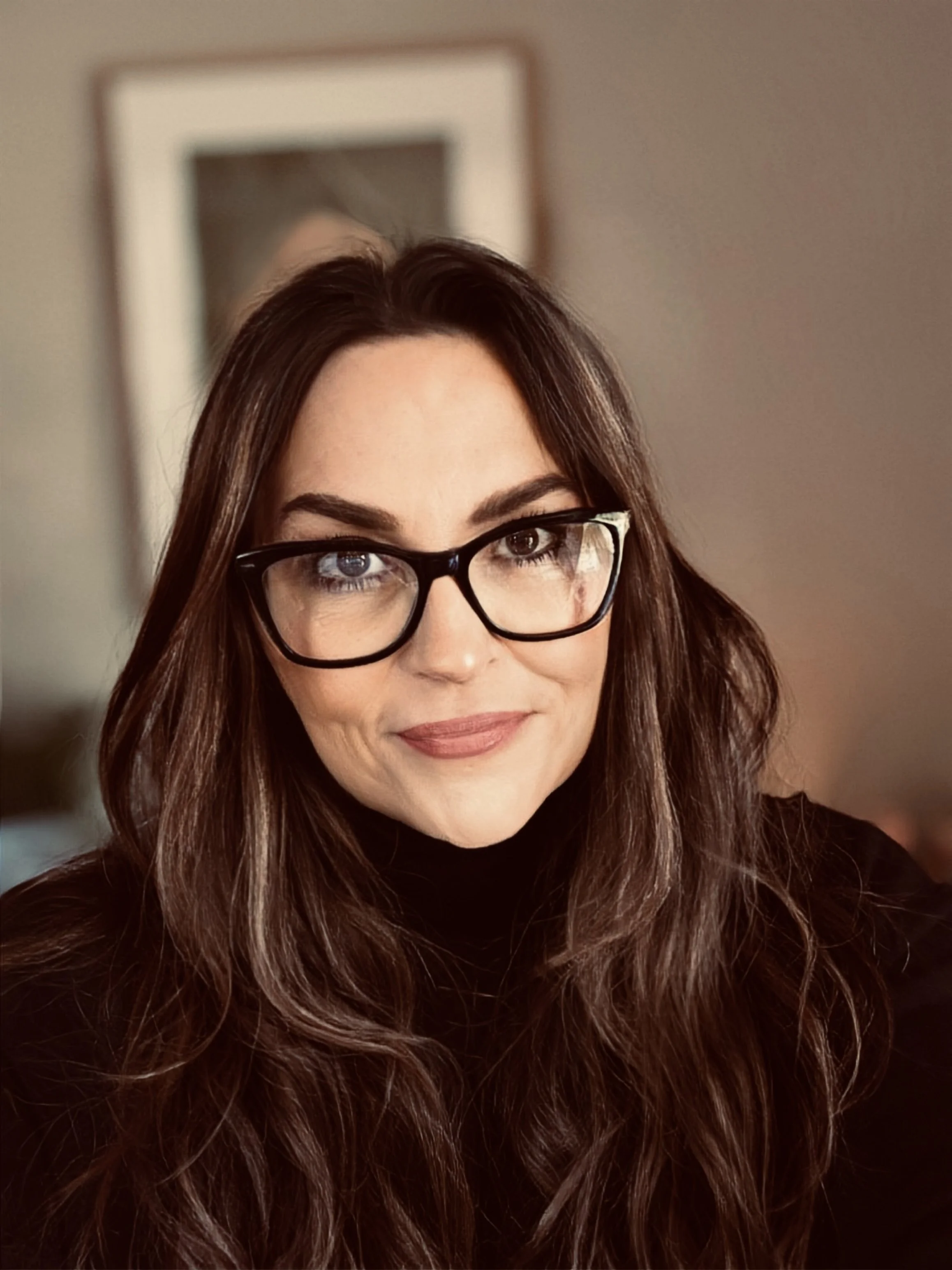
Rachel Dunn is a Palawa woman and Principal Cultural Advisor at Jenname Consultancy & Training. With more than 30 years’ experience working alongside Aboriginal communities, Rachel specialises in cultural safety, Aboriginal engagement, trauma-informed practice, governance, family safety and systems reform.
Rachel provides cultural safety advice and training to government, health, education, disability and community services organisations across Australia. She is a member of the Australian Health Practitioner Regulation Agency (AHPRA) Cultural Safety Panel of Experts and has held national advisory roles across family safety, prevention and Aboriginal policy reform.
Known for her practical and engaging facilitation style, Rachel supports organisations to move beyond awareness and into meaningful reflection, accountability and culturally safe practice. Her work combines lived experience, professional expertise and a deep understanding of the historical and contemporary factors that continue to shape outcomes for Aboriginal people today.